Lucy Rosa Blanca Gaehring’s my body is a car to be screened as part of MoMA’s Queer and Uncensored film series
May 26, 2025by Jeff Edwards
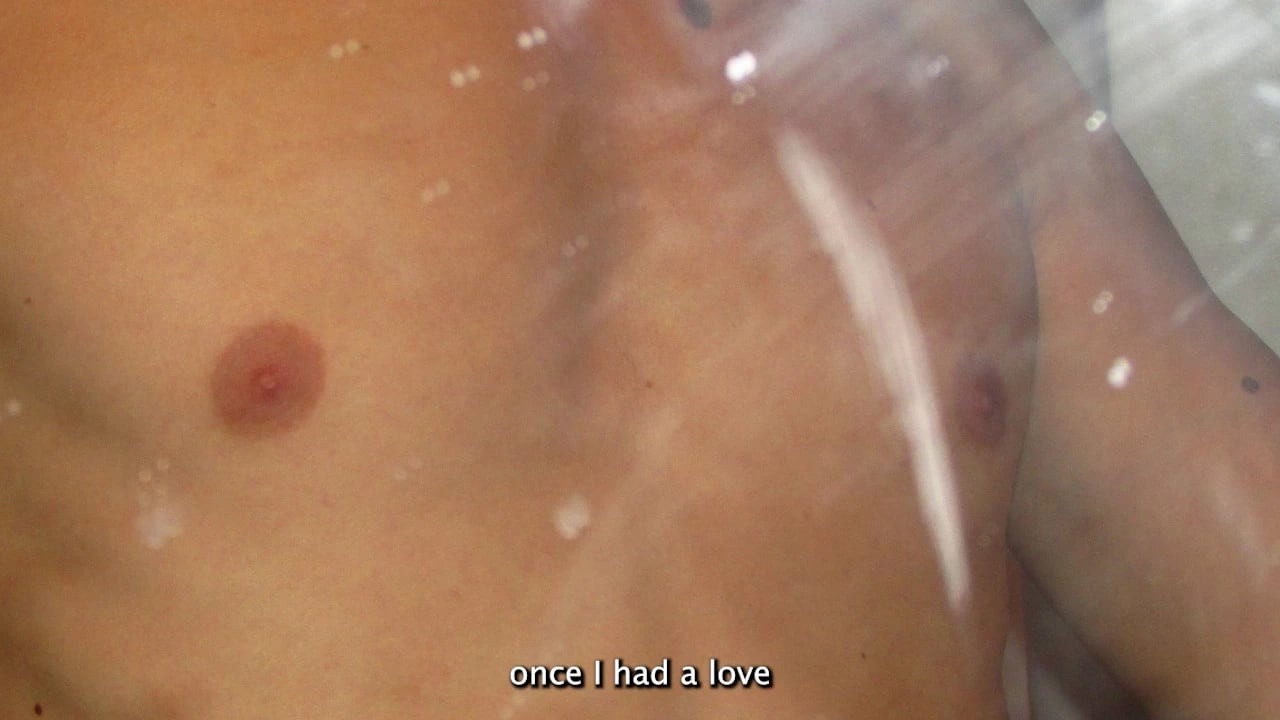
video still showing a closeup of a chest in a shower, with a subtitle reading once I had a love at the bottom of the framevideo still showing a closeup of a chest in a shower, with a subtitle reading once I had a love at the bottom of the frame

A still from my body is a car

A still from my body is a car

Credit: Lucy Rosa Blanca Gaehring

VCS student Lucy Rosa Blanca Gaehring’s short film my body is a car is going to be screened on May 31st and June 6th as part of Queer and Uncensored: Then/Now, an entry in the Museum of Modern Art’s upcoming Queer and Uncensored film series. Here’s more about the series from the MoMA website:

Honoring a courageous history of liberation and transgression, this major survey of queer film and video includes more than 70 shorts and features by 65 filmmakers. This cinematic celebration of lesbian, gay, and transgender sexuality, love, and activism presents seven decades of pioneering, landmark films and lesser-known or marginalized works.


Guest curators MM Serra, longtime head of Film-Maker’s Cooperative, and Erica Schreiner—both filmmakers themselves—write, “Since the inception of queer cinema, artists have faced censorship and invisibility, a challenge that persists today. Queer and Uncensored showcases a powerful selection of rarely seen, suppressed films that are crucial milestones in the evolution of queer filmmaking. Each program focuses on a topic that is relevant to the development and expansion of queer identity and its diversity. These films explore gender, race, class, sexual orientation, and the emergence of the epidemic.”


Queer-identified filmmakers represented include leaders Kenneth Anger, Edward Owens, Gunvor Nelson, Alla Nazimova, José Rodriquez-Soltero, Barbara Hammer, James Broughton, Marguerite Paris, Andrew Meyer, Luis Ernesto Arocha, Jack Smith, Olívio Tavares de Araújo, Ron Rice and Andy Warhol; joined by a generation of activists such as Rosa von Praunheim, Michelle Handelman, Jim Hubbard, Carmelita Tropicana, Jerry Tartaglia, Ira Sachs, Uzi Parnes, Annie Sprinkle and Beth Stephens, Tom Chomont, Isaac Julien, Garth Maxwell, Alice O’Malley, Abigail Child and Gary Goldberg; along with recent works by Anto Astudillo, Theo Cuthand, Lucy Rosa Blanca Gaehring, Nazlı Dinçel, Pol Merchan, Max Disgrace, and KT Burns. The series also embraces queer-positive work by Beth B, Doris Wishman, Carolee Schneemann, Tessa Hughes-Freeland and Nick Zedd.


Organized by Ron Magliozzi, Curator, and Carson Parish, Associate Producer, Department of Film, MoMA, with MM Serra and Erica Schreiner, guest curators. Thanks to Steve Macfarlane, Department Assistant, and Aditi Prasad, Intern, Department of Film.

And here are the details for Queer and Uncensored: Then/Now:

Fireworks. 1947. USA. Directed by Kenneth Anger. 15 min. 16mm

House Fuck. 2010. USA. Directed by Lark Hill. 6 min. 16mm

Jerovi. 1965. USA. Directed by José Rodriguez-Soltero. 12 min. 16mm

Solitary Acts #5. 2015. USA. Directed by Nazlı Dinçel. 6 min. 16mm

Remembrance: A Portrait Study. 1967. USA. Directed by Edward Owens. 6 min. 16mm

Less Lethal Fetishes. 2019. Canada. Directed by Theo Cuthand. 9 min. Digital

my body is a car. 2023. USA. Directed by Lucy Rosa Blanca Gaehring. 2 min. Digital

Carmelita Tropicana: Your Kunst Is Your Waffen. 1994. Directed by Ela Troyano. 27 min. Digital


Program run time: 83 min


This program of shorts showcases pioneering works alongside contemporary films, highlighting the ways in which cinema constantly draws inspiration from its past. We start with Kenneth Anger’s explosive, feverish Fireworks, which he made when he was only 19 years old, and which found immediate admirers in Jean Cocteau and Alfred Kinsey, making it one of the seminal works of queer cinema. Its exhibition was hampered by multiple charges of obscenity, and the ruling of the California Supreme Court in its favor is considered a landmark decision for freedom of speech in the United States. Remembrance: A Portrait Study is a landmark work from Edward Owens, one of the earliest artists to center Black queer aesthetics in film. Like Fireworks, recent works such as Solitary Acts #5 by Nazlı Dinçel, House Fuck by Lark Hill, Less Lethal Fetishes by Theo Cuthand, and my body is a car by Lucy Rosa Blanca Gaehring explore queer eroticism in formally inventive ways. Other highlights include Jose Rodriguez-Soltero’s Jerovi and Ela Troyano’s Carmelita Tropicana: Your Kunst Is Your Waffen, key works in the history of queer and Latino New York film. Jerovi is a dreamily erotic portrait of its subject, Jerovi Sanson Carrasco, seen here “photographed lingeringly in a lush garden.” A “sexual probe” into the myth of Narcissus, which has long been a classic subject of queer cinema, it offers up a reimagining for the “1960s period of sexual revolution.” The delightful Your Kunst Is Your Waffen follows Latina performance artist Carmelita Tropicana through a chaotic day in her life in the East Village, as she deals with a mugging, participates in protests and finally ends up in a jail cell along with her anxious sister Sophia and her lively friend Orchida. Directed by her real-life sister and longtime collaborator Ela Troyano, the film “wreaks havoc with cultural stereotypes” by combining drag performances, soap operas, American musicals and women’s prison films.

To reserve tickets for either screening, visit the MoMA website.

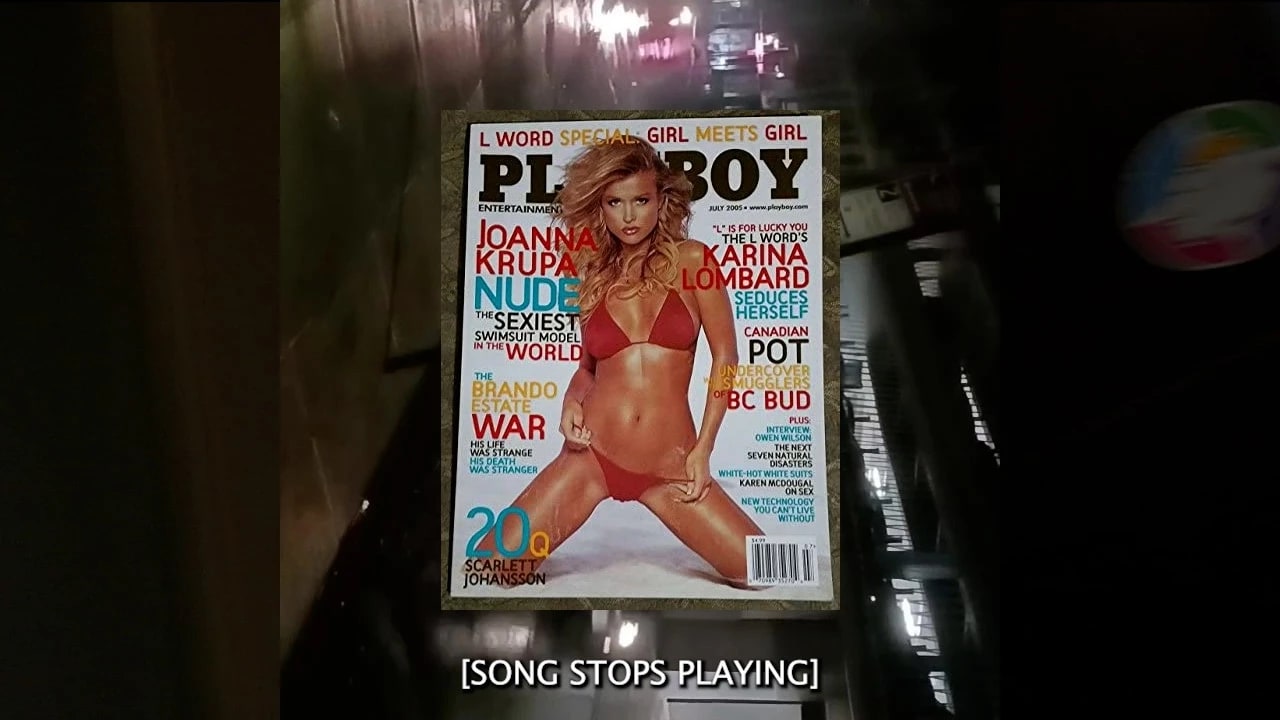
video still showing the cover of an issue of Playboy magazinevideo still showing the cover of an issue of Playboy magazine

A still from my body is a car

A still from my body is a car

Credit: Lucy Rosa Blanca Gaehring