

Effective Fall 2026, the interdisciplinary program will be offered fully remotely, providing artists located worldwide with access to SVA’s faculty and resources.
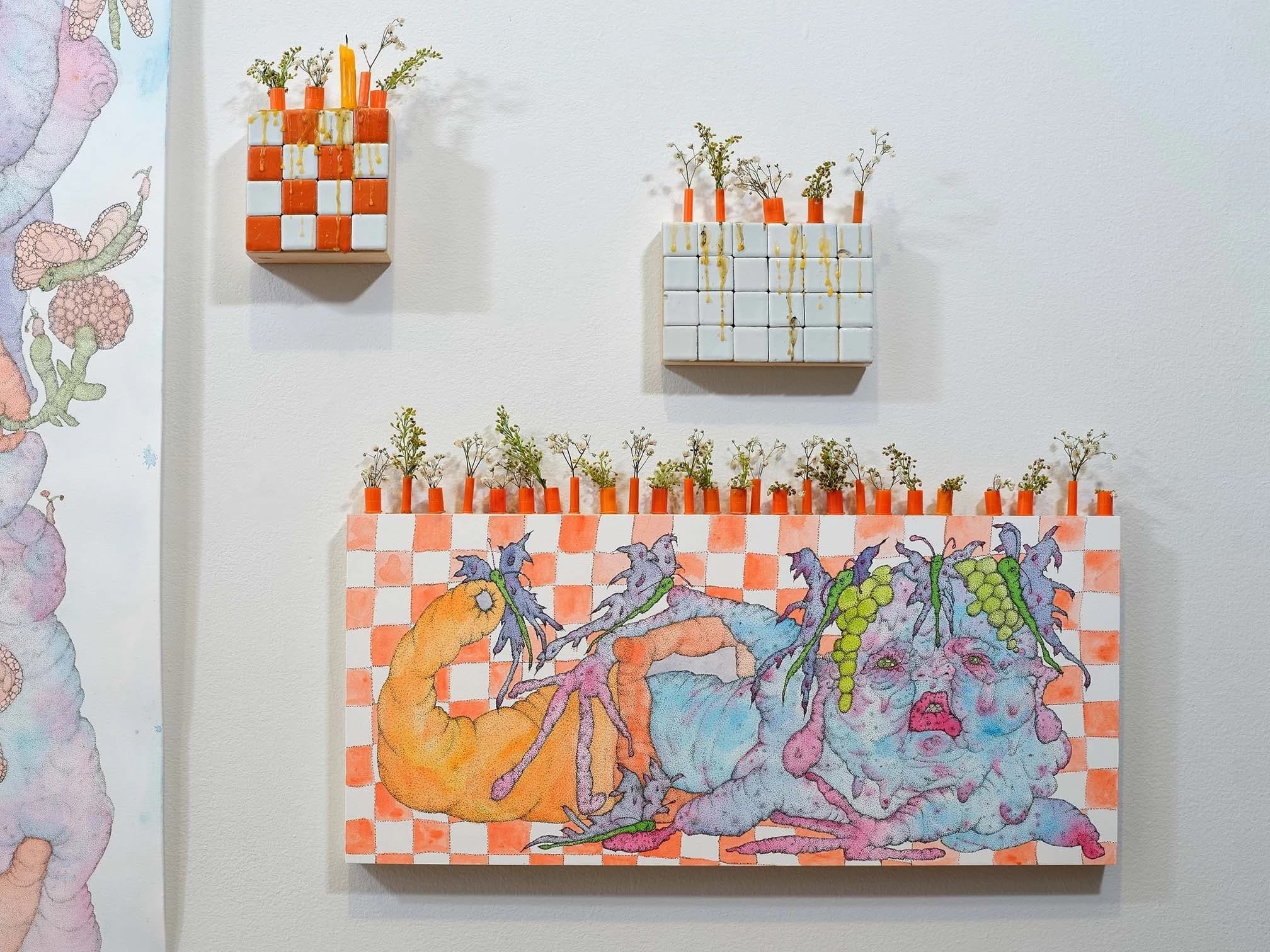
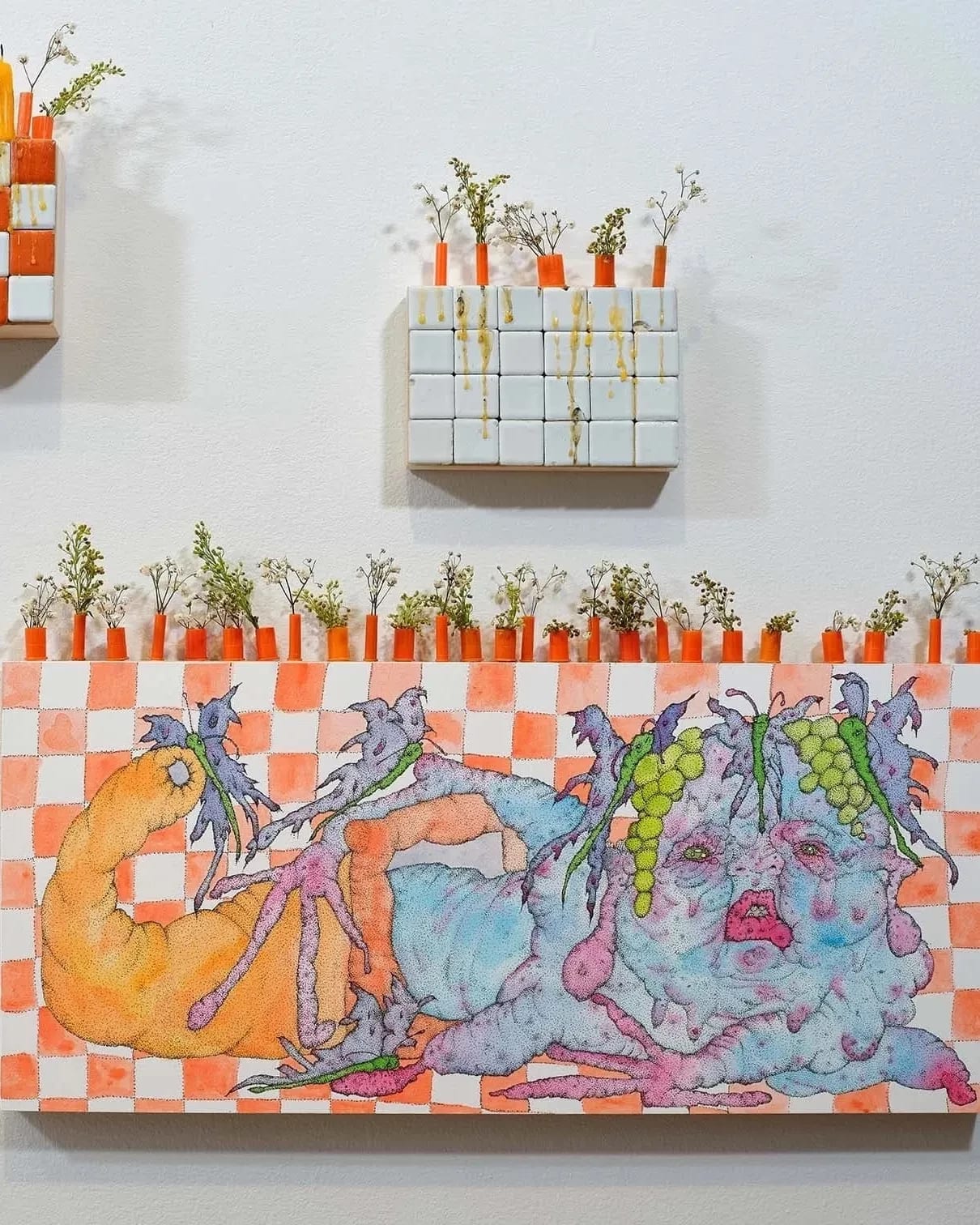
DW Zinsser (MFA 2025 Art Practice), 2025 MFA thesis.
DW Zinsser (MFA 2025 Art Practice), 2025 MFA thesis.
This week, SVA announced the launch of a fully online MFA Art Practice program beginning with the Fall 2026 term—the first online MFA degree offered by the College. The program, led by Chair David A. Ross, will provide a dynamic, fully online environment where artists from around the world can engage in rigorous studio practice, critical discourse, and professional development without geographic limitations. Students will also have the option to participate in an in-person summer residency in New York City, where they can engage in intensive studio work, attend exhibitions, and connect face-to-face with peers and mentors. “Art practice today exists simultaneously across physical and digital spaces,” says Ross. “Our shift to a fully online model recognizes this reality.”
Ross brings decades of leadership in contemporary art to his role at SVA, as the former director of the Whitney Museum of American Art, San Francisco Museum of Modern Art, and Boston ICA. Under his direction over the past 15 years, MFA Art Practice has continued to champion conceptual experimentation, critical dialogue, and professional mentorship. Graduates of the program work as exhibiting artists at venues such as the Ogden Museum of Southern Art, the Whitney Museum, the Queens Museum, and The Kitchen, and also serve as educators, curators, and creative leaders.
We had a conversation with Ross to discuss the evolution of the program, the benefits and potential challenges of the change, and why this direction makes sense at this time.
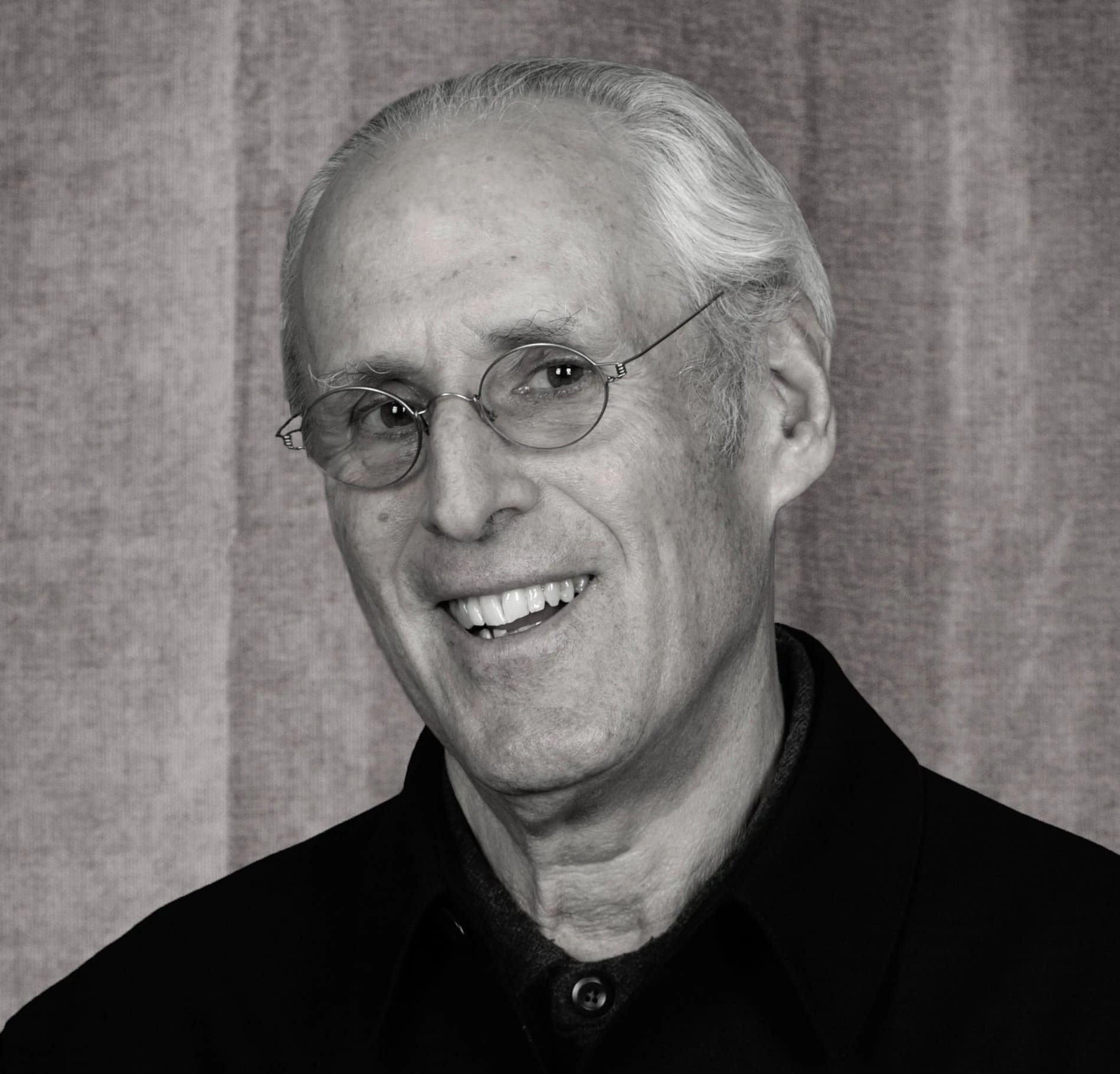
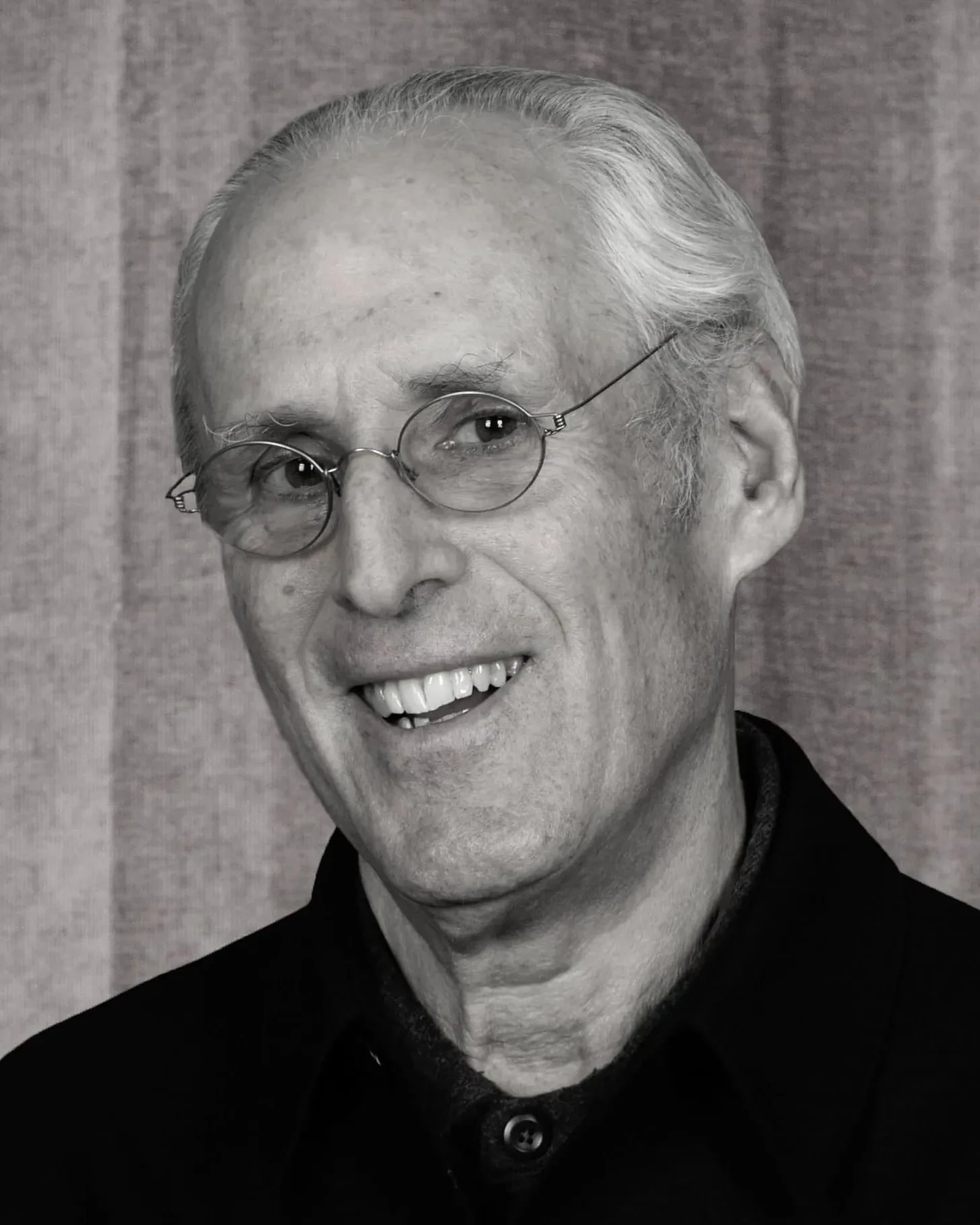
MFA Art Practice Chair David A. Ross.
MFA Art Practice Chair David A. Ross.
You’ve spent your career at the edge of new media and technology, from your role as the first video art curator at the Everson Museum to your directorship of the Whitney Museum, overseeing the ’93 Biennial. How has all of this led you to create SVA’s first fully online MFA?
David Ross: Although my area of curatorial focus began in the early 1970s with my deep engagement in the emergence of video art, the creation of the Art Practice program was not a direct response to technology per se, but more a response to the changing world in which these technologies emerge. Of course, the development of the internet and sophisticated learning software remains central to online coursework, but it did not lead our thinking. More important to me was a collective sense that many artists were looking for a rigorous academic graduate fine arts program that would support them as they reconsidered the nature and direction of their practice in this changing world. I began to understand this during my tenure as director of the Whitney Museum in the 1990s, when I encountered many artists who were struggling to connect their sense of a rapidly changing world to possible new directions for their art-making.
MFA Art Practice has operated for over a decade as a low-residency program. What will change with the transition to a fully online experience, and what will stay the same?
DR: As we launch our new version of the Art Practice MFA, there are two main differences between it and the existing program; however, the most essential aspects remain either the same or have been significantly improved. First, the program is entirely online. There is no required residency, so those considering the program do not need to find time to relocate to New York City every summer for three years. This means that artists with responsibilities that prevent them from spending approximately two months a year away from home can now consider applying. Second, the cost of this degree is reduced by roughly 50 percent for all students from the typical MFA program. Our tuition fee is $1,000 per credit. This significant reduction, combined with complete transparency, will enable prospective students to make more fully informed decisions.
What remains the same is our faculty, composed of experienced instructors who have spent years developing their skills both as artists and educators. MFA programs—any program, ours or traditional residency—are about the people. Faculty member Miatta Kawinzi’s exhibition “Numma Yah” at Smack Mellon is named one of the best of 2024 by Hyperallergic. Andrew Woolbright’s recent show at Blade Stuy was reviewed by the New York Times in October.
What challenges are you anticipating, and how do you plan to address them?
DR: The most significant challenge related to distance learning is developing a sense of community connection, a key element in graduate-level art education. However, we have nearly 15 years of experience with online courses and critiques, and have learned to make effective use of both synchronous and asynchronous classes to generate the sense of community vital to this level of study. In addition, an optional series of free summer seminars and lectures, along with the curated exhibitions of their work presented in NYC, will provide participants with opportunities to meet and spend time together with all participating students.
How might the new cohort of students be different from past cohorts? In other words, who would be most drawn to an online MFA Art Practice program at SVA, and how will their unique perspectives enrich the program?
We know there are outstanding artists out there who haven’t had access to institutions because traditional MFAs just don’t work for people with careers, with families, people who can’t afford the high price. I designed this program for them. The art world needs their voices.
Visit MFA Art Practice for more information and to apply.
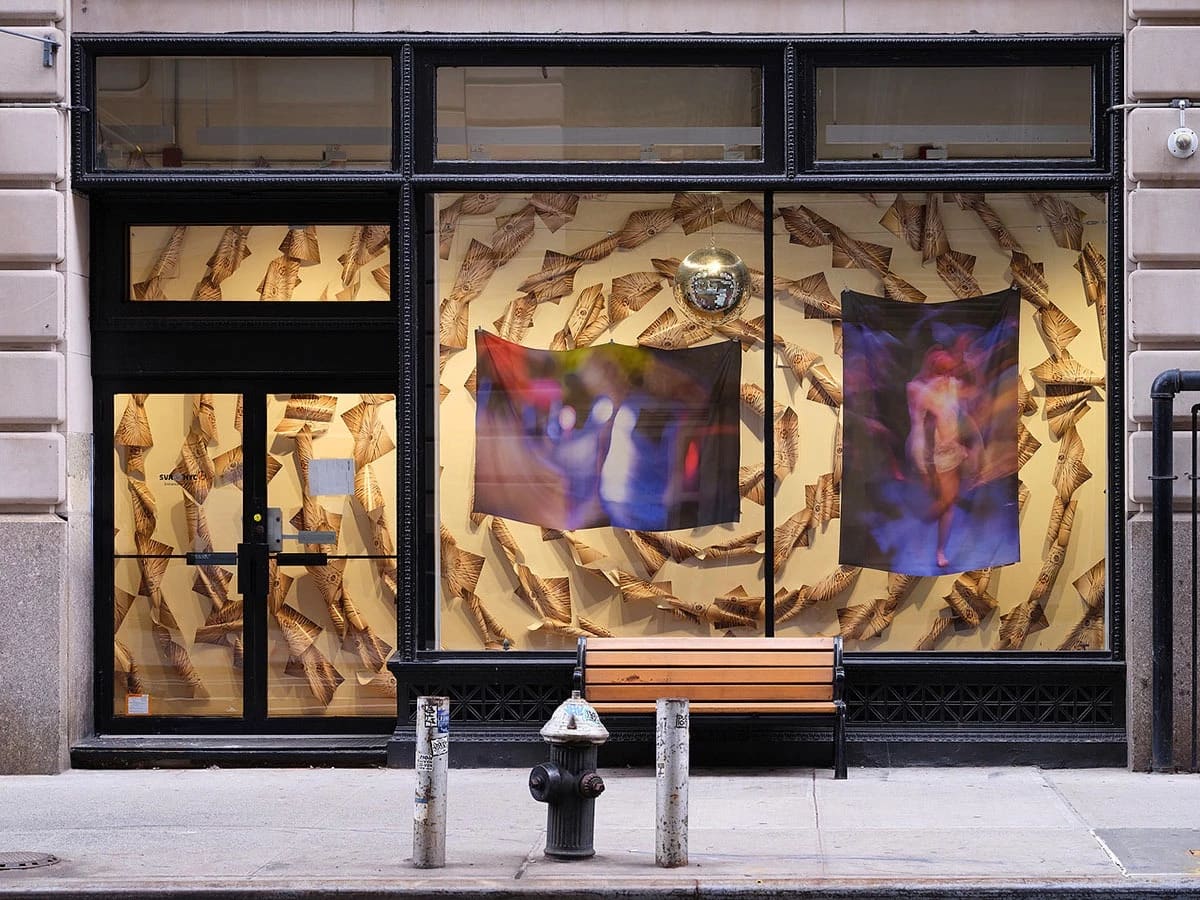
An installation shot from the SVA Flatiron Windows showcasing MFA Art Practice work.
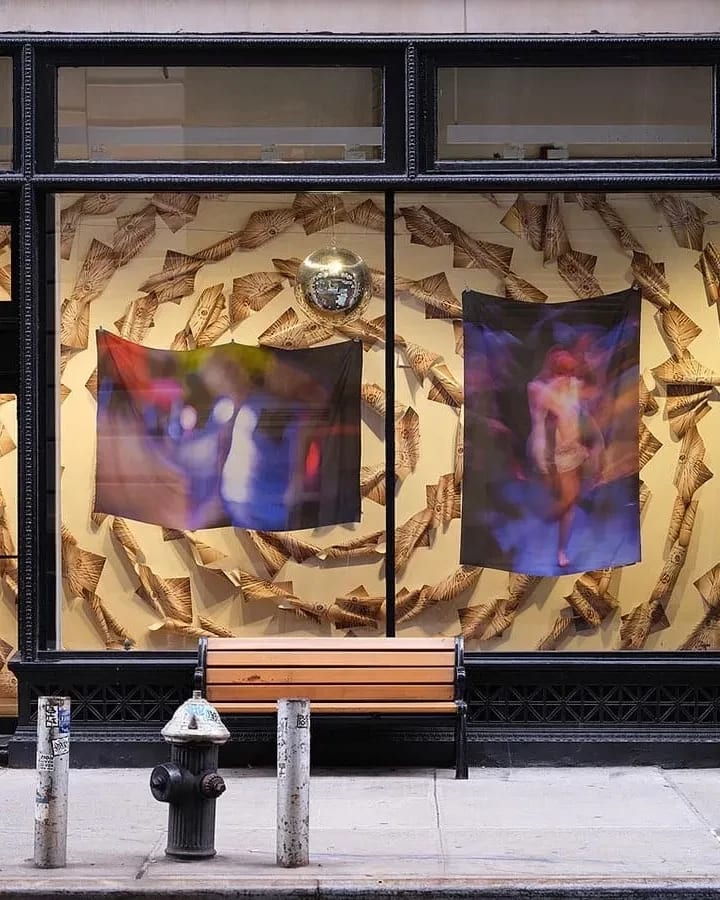
An installation shot from the SVA Flatiron Windows showcasing MFA Art Practice work.