


“Strange Pictures,” horror column, from The New York Times.
You can find Illustrator Deena So’Oteh’s award-winning work in publications like the Wall Street Journal, the New York Times, Wired and Politico. From student to teaching assistant to current faculty instructor, she credits SVA’s Illustration and Visual Storytelling: Art and Industry artist residency program with helping jumpstart her dynamic career. I had the opportunity to ask her about her creative journey so far and the program that’s been instrumental in her growth as an artist and educator.
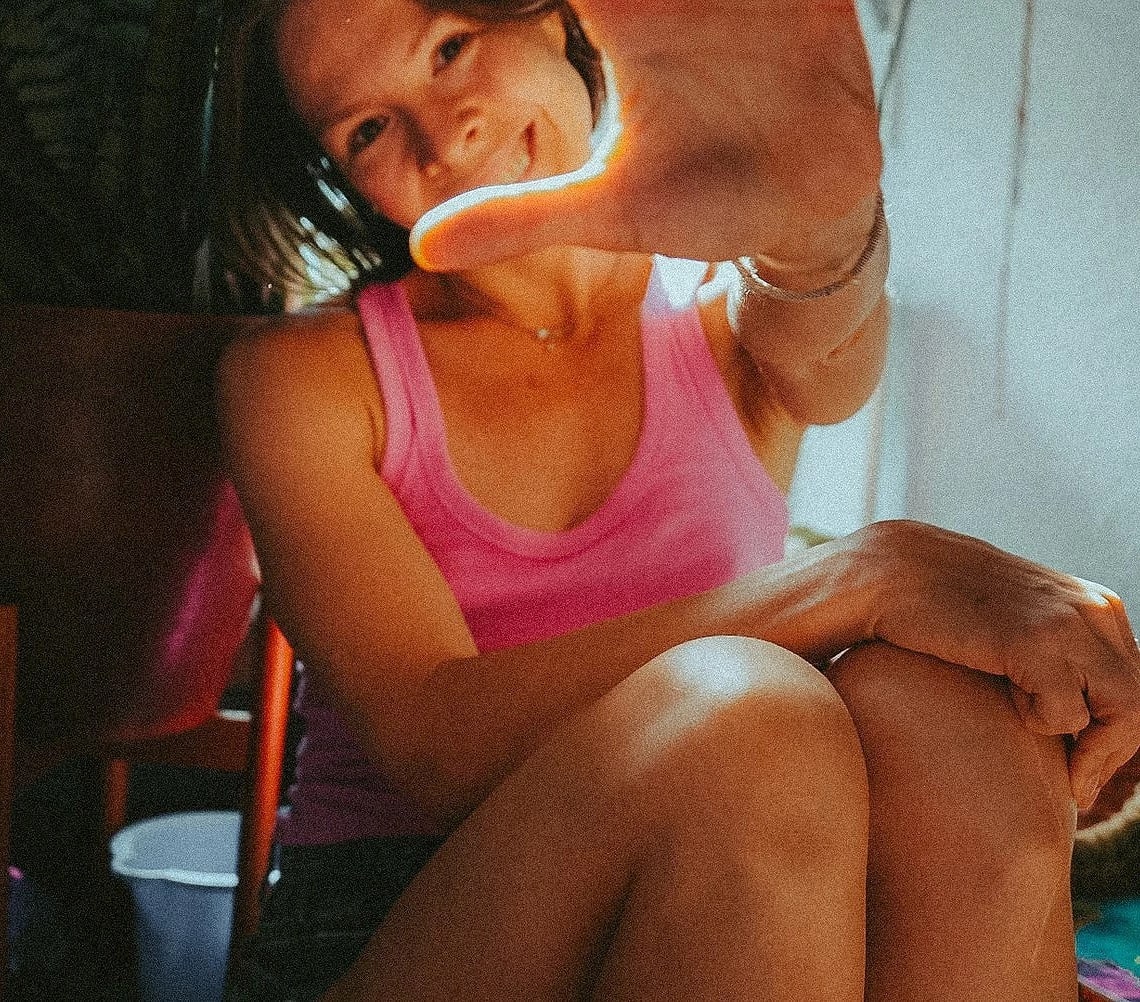
Deena So'oteh
How would you describe your artistic style or brand as an artist, and what elements make it unique to you?
At the core of my work is a need to connect—with the narrative, the viewer, and the emotional tone of the piece. I’m less interested in literal translation and more drawn to what’s beneath the surface: subtext, tension, atmosphere.
My background is in figurative fine arts, and that foundation still shapes how I approach composition, storytelling, and the human form. While my work has moved away from traditional realism, that training continues to influence the way I build visual meaning.
My style has developed organically over time, by following my interests and responding intuitively to the content. I don’t see it as a fixed formula—instead, I let the concept guide the form. Looking back, I see how those instincts have shaped a distinct aesthetic. I began with a more traditional, old-school approach, but my work has gradually shifted to include elements of retro sci-fi, futurism, and surrealism—as my interests and perspective evolved.
Visually, I’m drawn to dramatic lighting, symbolic imagery, and a slightly distorted sense of space and form—creating a cinematic mood that holds both clarity and ambiguity. I aim to create images that feel emotionally charged, but still leave space for interpretation—where the viewer is invited in, not just to see the idea, but to experience it.
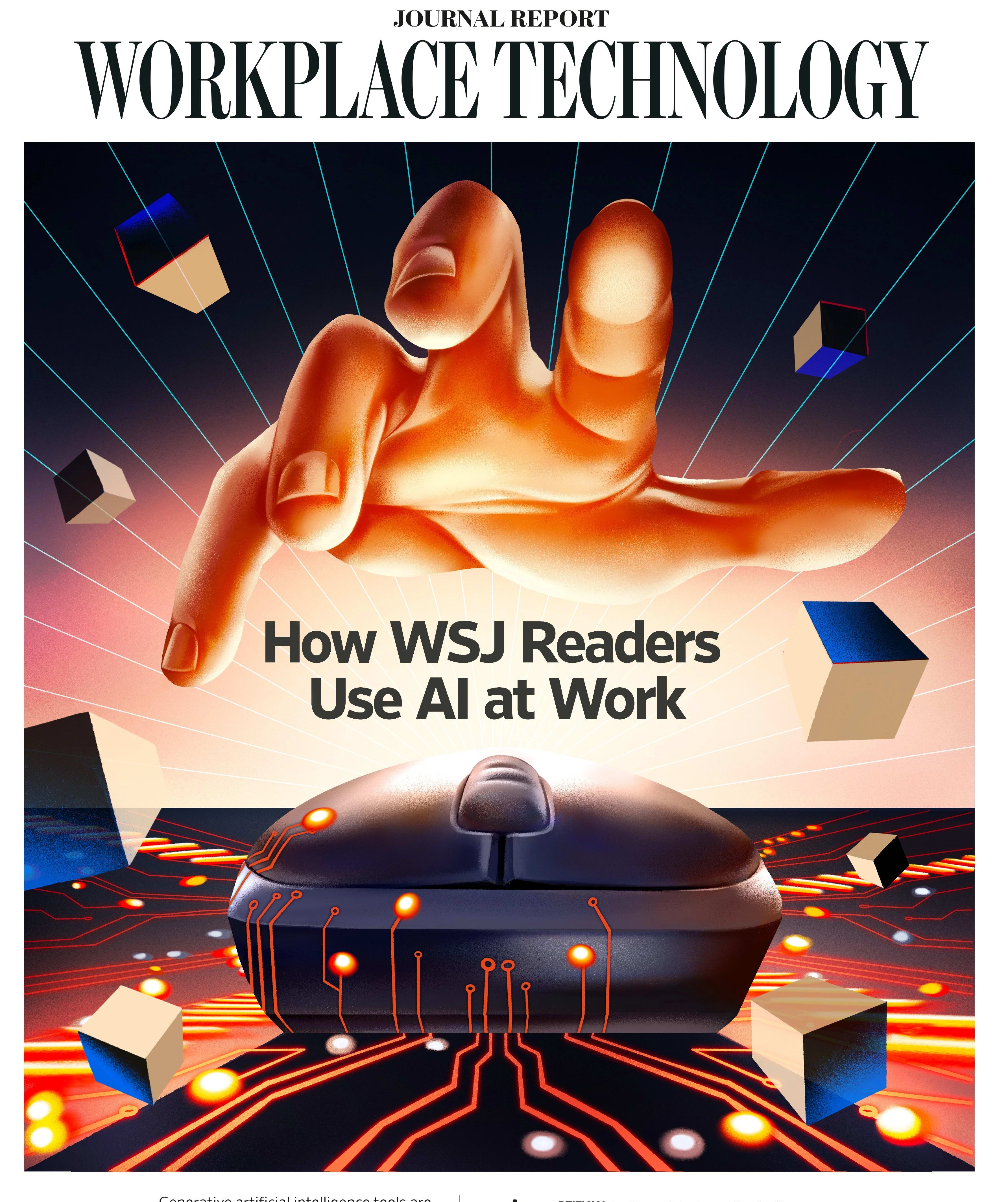
“AI in the Workplace,” from The Wall Street Journal.

“How 33-Year-Olds, the Peak Millennials, Are Shaping the U.S. Economy,” business section cover, The New York Times.
How do you balance staying true to your artistic voice while also appealing to a broader audience or market?
For me, it starts with understanding who I am—what experiences I’ve lived through, what I pay attention to, and what I care about. That internal clarity gives me a foundation for my artistic voice. Before I can think about connecting with an audience or navigating the market, I need to know what I’m bringing to the work.
At the end of the day, my focus is on making something honest—work that feels grounded in my perspective. I usually enter through emotion: I look for a thread in the story or idea that resonates with me and use that as a way in. If I can connect to it authentically, I trust the right people will feel that.
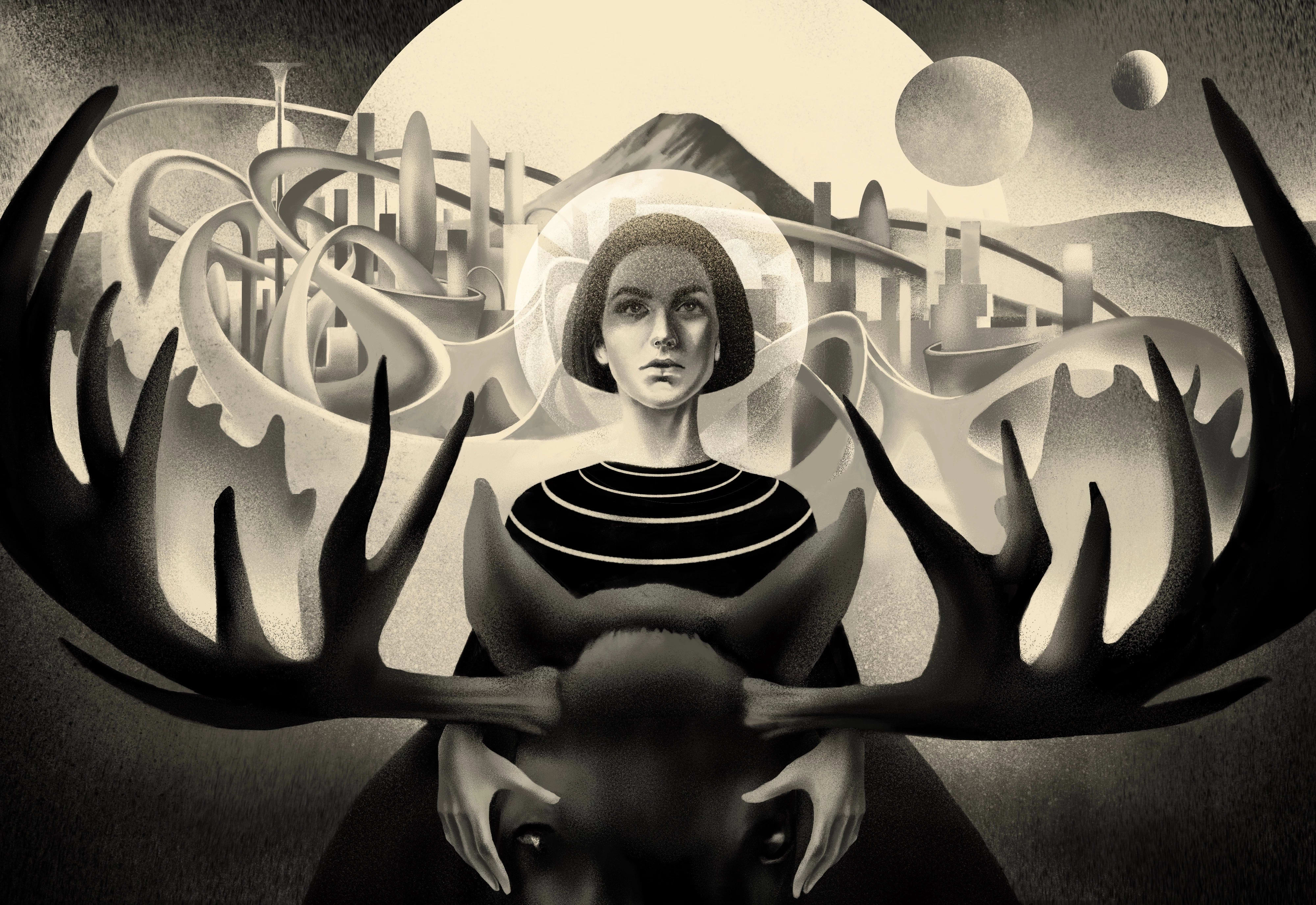
“‘The Terraformers’ is a dazzling look at the distant future,” from The Washington Post.
As I’ve explored not just new ways of making, but new ways of understanding myself, my visual language has evolved too. I started out only able to work in black and white with a single accent color—full color under a deadline felt impossible. But through trial and error, I gradually pushed that boundary, and that growth helped me reach new audiences. The same thing happened with subject matter. By slowly expanding the kinds of topics I was willing to take on, I was able to connect with new clients and collaborators—without compromising my voice. Collaboration plays a big role too. I value thoughtful art direction and try to stay open to new ways of seeing. Revisions aren’t something I dread—they’re often where the most surprising or meaningful moments emerge. They challenge me, and that growth keeps the work creatively alive.
So I don’t think of it as balancing between personal voice and market appeal. It’s more about starting from something real—and letting that evolve in a way that still feels true, and connects where it needs to.


How does your connection to the Illustration and Visual Storytelling: Art and Industry residency program as both alumni and faculty influence your career in illustration and design?
The Illustration and Visual Storytelling: Art and Industry residency gave me the space to better understand myself and my creative process—within a structure that mirrored the pace and pressure of the freelance world, but in a safe and supportive environment.
I’ve been connected to the residency for quite a few years now—starting as a teaching assistant, and eventually becoming a faculty member. I genuinely believe it laid the groundwork for my commercial career.
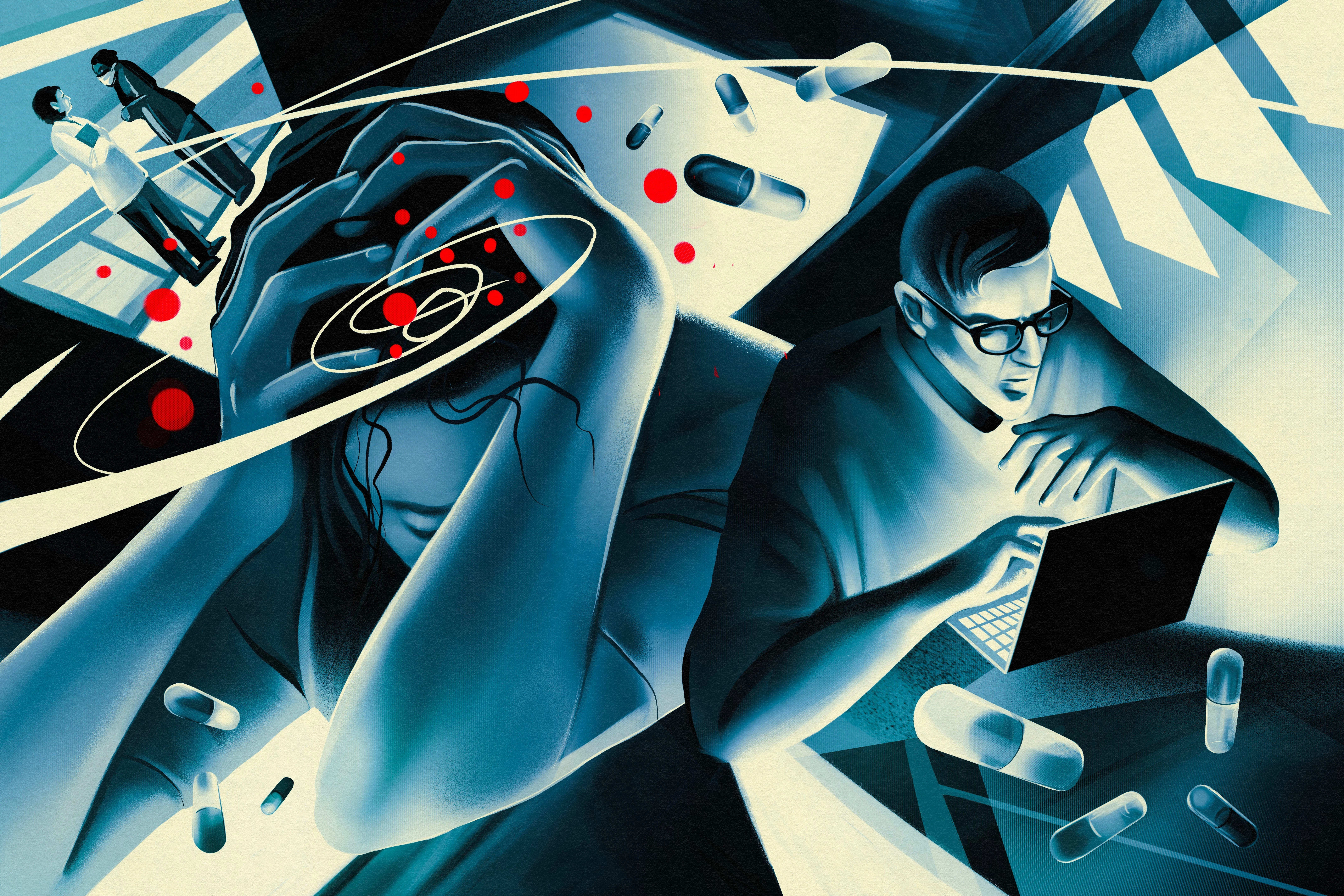
“Hypochondria Is a Real and Dangerous Illness, New Research Shows,” from Scientific American.
When I first entered the program, I struggled to finish even one piece during the five-week sessions. Now, I handle close to 100 illustrations a year. That shift didn’t happen overnight—it came from being challenged, supported, and exposed to a creative community that pushed me to grow.
It also shaped the way I approach storytelling—intuitively, emotionally, and with a strong sense of authorship.
Being able to now teach within the same program that shaped me is something I don’t take for granted. It keeps me connected to the energy and curiosity of emerging illustrators, and it reminds me how far I’ve come—while constantly pushing me to stay open and evolving.

“The WIRED Guide to Protecting Yourself From Government Surveillance,” from WIRED.