

Sinclair Smith, SVA Destinations instructor and MFA Products of Design faculty member, recalls his experiences on a recent excursion to Japan.
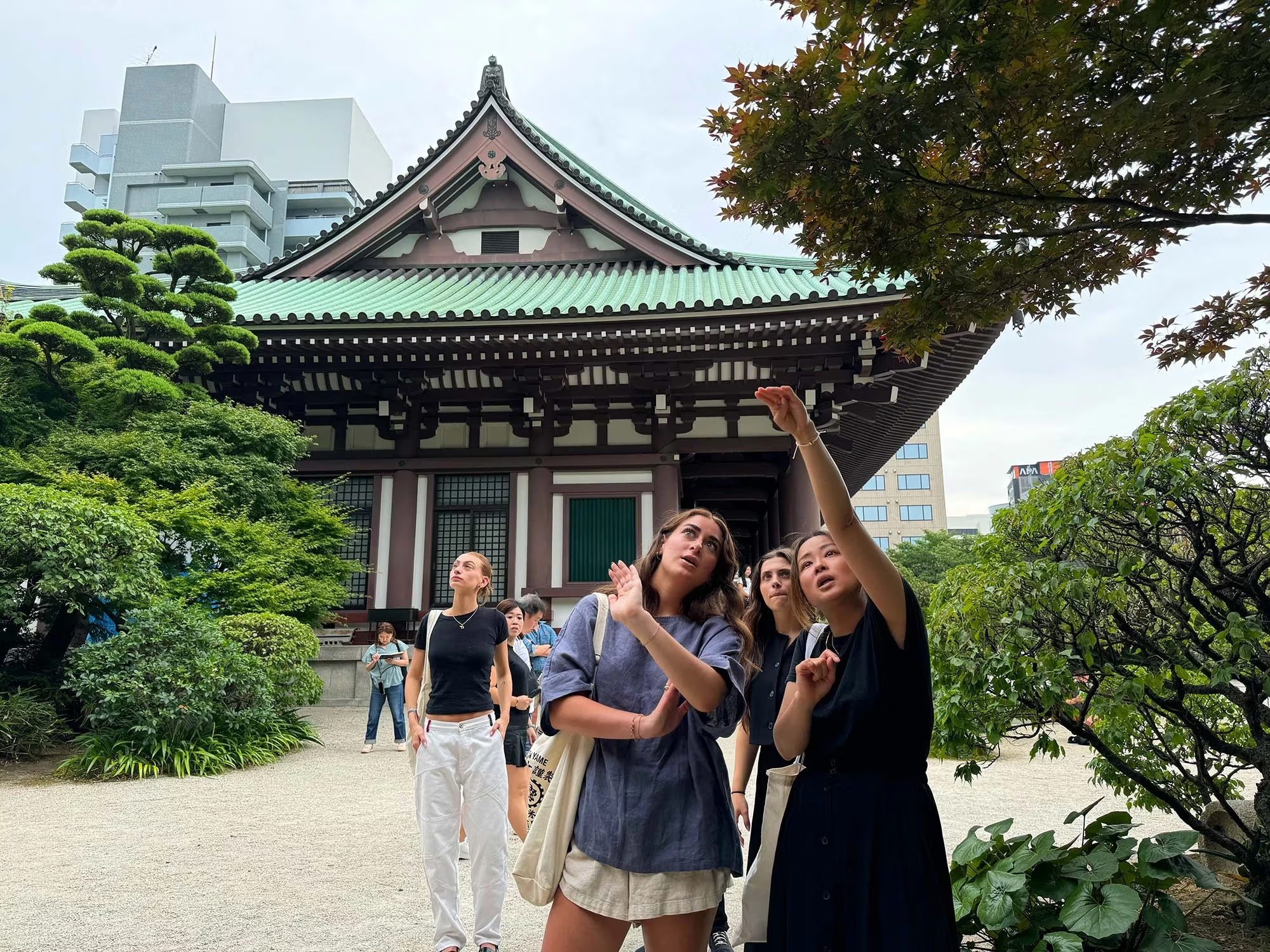
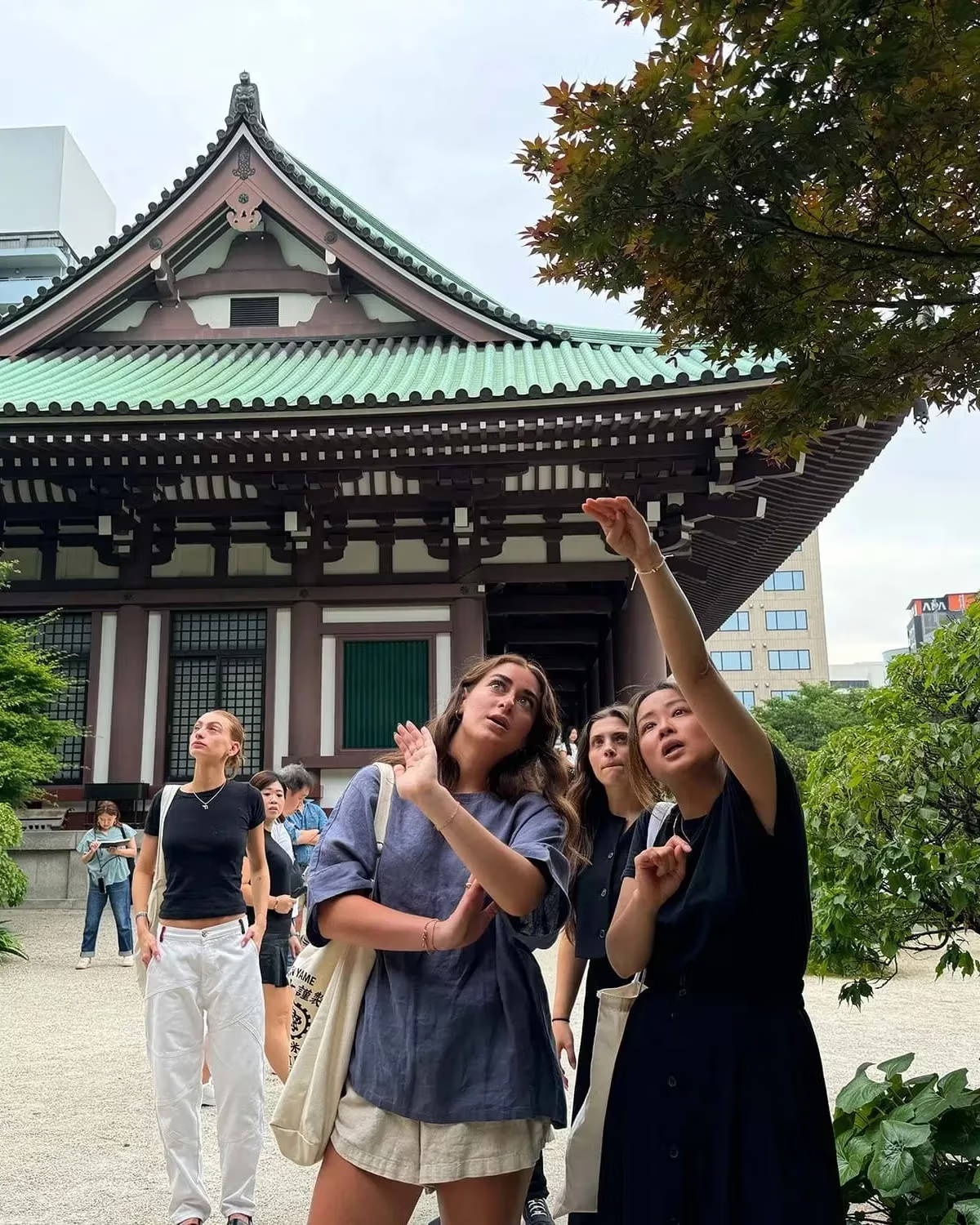
A photograph of students from the recently concluded SVA Destinations: Made In Yame program.
A photograph of students from the recently concluded SVA Destinations: Made In Yame program.
SVA Destinations, an ongoing series of short-term, domestic and international travel-based programs offered by the School of Visual Arts, offers participants the opportunity for in-depth study, creative renewal and firsthand experience of inspiring locations and events around the world.
Led by MFA Products of Design faculty Sinclair Smith, also the director of the SVA Visible Futures Lab, the Destinations program Made in Yame is an intensive product design program that takes students deep into the cultural heart of Japan, where they study with accomplished craftspeople; visit ancient temples and shrines and relish the food, architecture and landscape of this extraordinary country. Made In Yame includes inspirational trips into the surrounding hills, green tea fields and a centuries-old sake brewery. Upon completion of the course, interested participants have the opportunity to show their work to buyers at the MoMA Design Store.
Smith, who has led the program since its inception, recently spoke about this year’s experience.
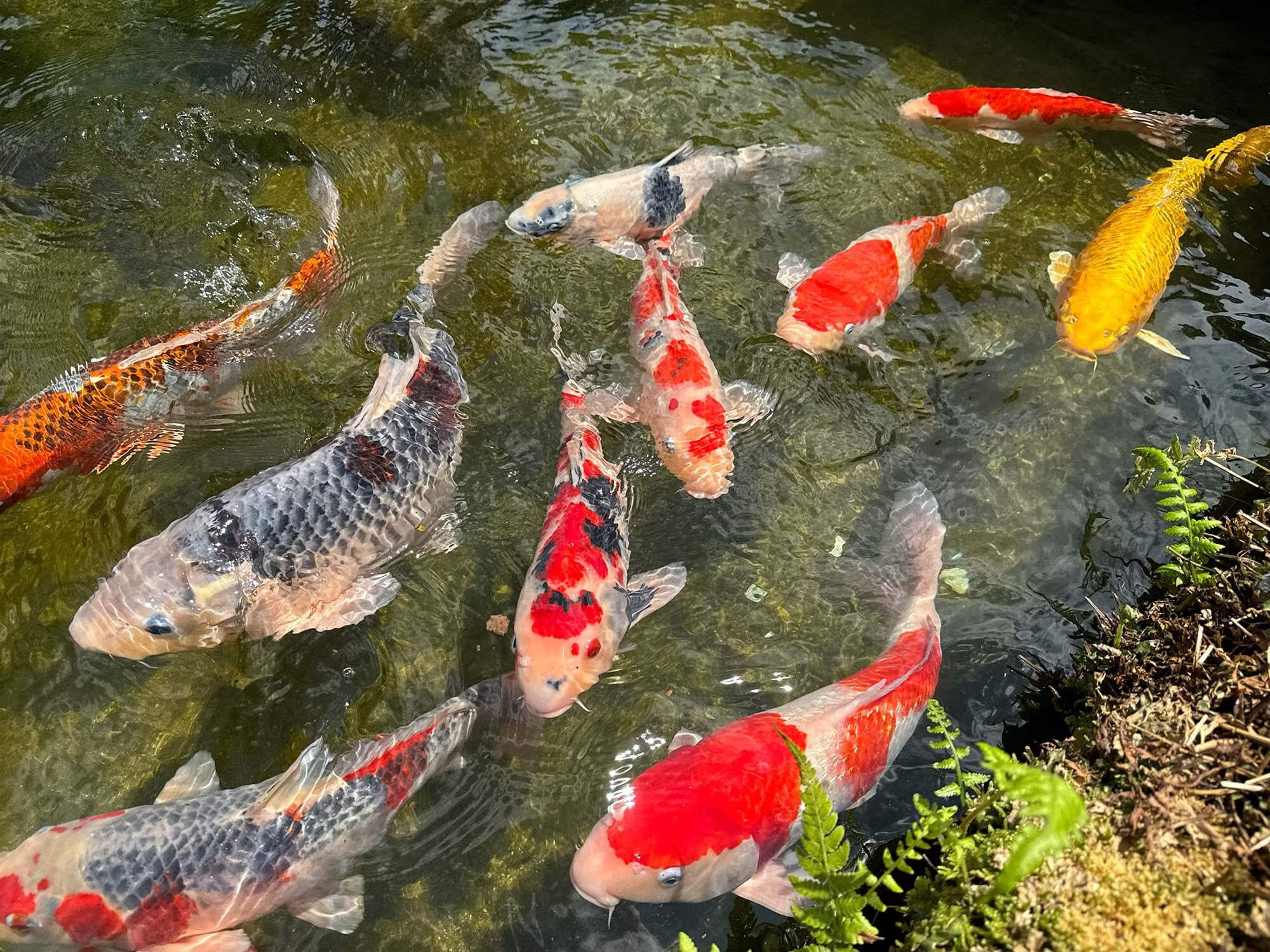
Participants of the SVA Destinations: Made In Yame program visited many places and sites of historical and cultural value.
Participants of the SVA Destinations: Made In Yame program visited many places and sites of historical and cultural value.
What makes Made in Yame special and different from other SVA Destinations excursions?
Made in Yame has a dense, daily schedule of visits to sites, workshops, communal meals and times to decompress. The moments that deeply sink in and inspire with life-changing experiences vary. Some participants rave about the meals—which are off the hook three times a day, minimum—and others rave about one craft versus another. From my perspective, after eight years, the totality of cultural immersion, from the food to the crafts to the art to the sacred and the landscape, is so complete that nothing can really stand out. But I think what distinguishes the program is cultural immersion in a small, rural place with a tight-knit group of craftspeople with mind-blowing skill and extraordinary humanity.
What did you think inspired the students the most?
The breadth of exposure in this program to Japanese history, culture, and design is broad and encompassing. Aside from just spending time in both urban and rural Japanese consumer economies for the first time, we intimately visit a dozen craft studios and observe their tools, materials, and processes. We study the origins of their work and the development of its output over time and explore how their work can be sustained into the indefinite industrial future. The number-one challenge is grasping a really big-picture view of how humanity’s cultural roots are being transformed and arguably forgotten by mid-period industrialization. So the big takeaway is the call to arms—how do we keep the source, cultural material of our humanity and the subtle dexterity of our hands alive and safe from industrial-simplification?
What are the key highlights?
Too many to count, really. We take part in a traditional tea ceremony. The pace of the ritual for the group is unforgettable. It evokes the life of medieval lords visiting court! We drive into the mountains, see the tea fields and visit wood mills and ceramic kilns. We have a night at the Shiraki Kougei lantern company where they set up nagashi somen [noodles] with a long rain gutter. It’s an incredible night of community and fun. It exemplifies the way in which this program engages the traditional crafts community by bringing everyone together for a fun meal.
As an instructor, you've done this trip several times now. Is there a favorite element to it that never ceases to marvel?
What happens over and over is people say that this is the best trip they’ve ever taken anywhere. I know that sounds like a lot. But that’s the feedback. They are blown away by the work they see, the environment in which it happens, the place in which they get to live and study and the food and culture they absorb. But mostly, they feel like they become part of a family. That is the deepest jewel that never ceases to marvel. This program is building a cultural exchange that feels like family. And every year, we become closer and closer, and we get closer to developing new products that will impact the future of the traditional craft economy in Yame.
For more information about SVA Destination trips, visit sva.edu/destinations.
